
Contents
- 🎵 Origins & History
- ⚙️ How It Works
- 📊 Key Facts & Numbers
- 👥 Key People & Organizations
- 🌍 Cultural Impact & Influence
- ⚡ Current State & Latest Developments
- 🤔 Controversies & Debates
- 🔮 Future Outlook & Predictions
- 💡 Practical Applications
- 📚 Related Topics & Deeper Reading
- Frequently Asked Questions
- Related Topics
Overview
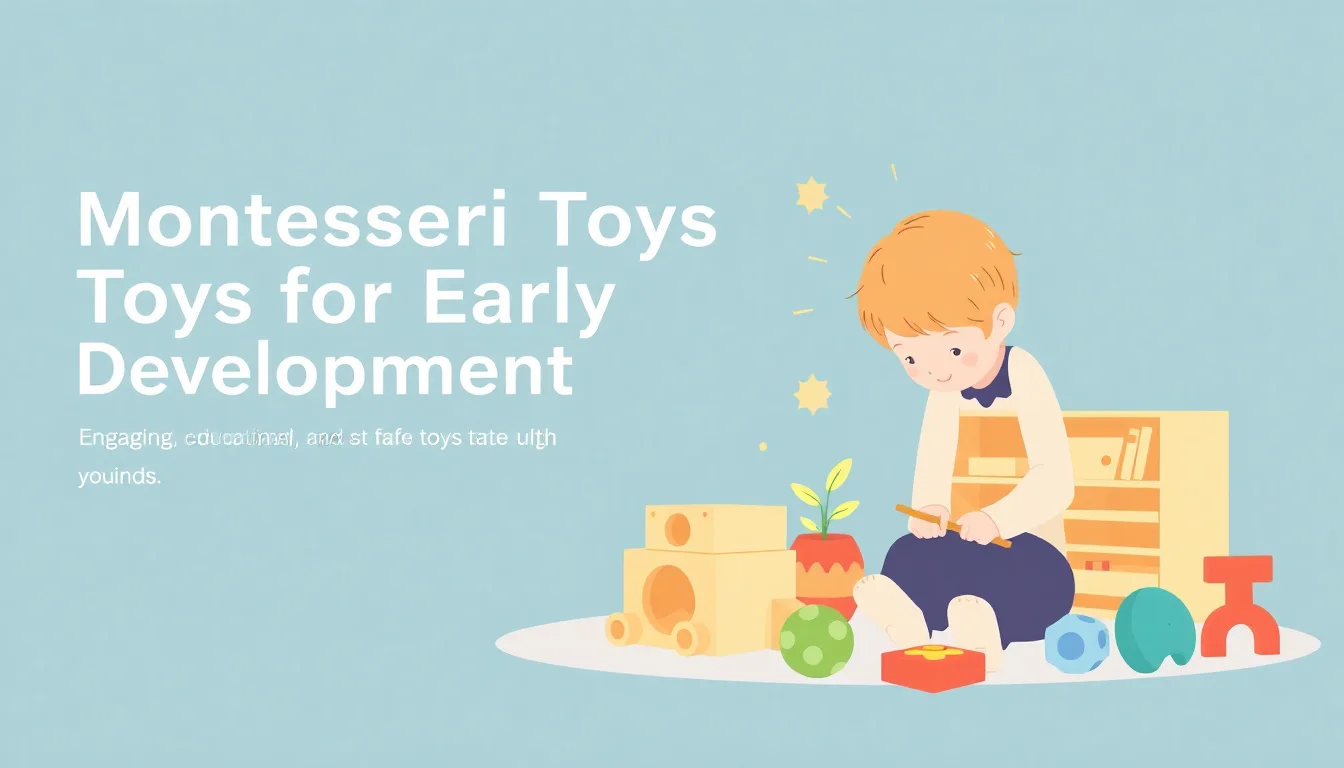
Montessori toys for early development are specifically designed to support the principles of the Montessori method, which emphasizes hands-on learning and self-directed activity. These toys encourage exploration, creativity, and cognitive growth in children from birth to age six. Key characteristics include the use of natural materials, open-ended play, and an emphasis on sensory experiences. Popular brands like Lovevery and PlanToys have gained recognition for their commitment to creating safe, eco-friendly products that align with Montessori principles. As parents increasingly seek educational toys that foster independent learning, the market for Montessori toys continues to grow, reflecting a broader shift towards child-centered education.
🎵 Origins & History
Montessori toys emerged as a natural extension of this philosophy, designed to facilitate independent exploration and discovery. Early examples include the Montessori cylinder blocks, which help children develop fine motor skills and spatial awareness. Over the decades, the approach has evolved, with companies like Lovevery and PlanToys leading the way in creating modern Montessori-inspired toys that adhere to these foundational principles.
⚙️ How It Works
Montessori toys are characterized by their focus on sensory engagement and open-ended play. They often feature natural materials such as wood, cotton, and metal, avoiding plastic whenever possible. For example, the Montessori bead maze encourages children to manipulate beads along wires, enhancing hand-eye coordination and problem-solving skills. These toys are designed to be self-correcting, allowing children to learn through trial and error without adult intervention. This autonomy fosters confidence and a sense of accomplishment, aligning with Montessori's core tenets of independence and self-directed learning.
📊 Key Facts & Numbers
Key figures in the Montessori toy movement include Maria Montessori and contemporary entrepreneurs like Jessica Rolph, co-founder of Lovevery. Organizations such as the American Montessori Society and the Montessori Foundation advocate for the use of Montessori principles in education and toy design. These individuals and organizations play a crucial role in promoting the benefits of Montessori toys and ensuring they meet high safety and educational standards.
👥 Key People & Organizations
Montessori toys have significantly influenced early childhood education and parenting practices worldwide. The emphasis on hands-on learning has led to a shift in how parents and educators view play, recognizing it as a vital component of development. For instance, the popularity of Montessori-inspired toys has spurred a broader movement towards sustainable and eco-friendly products, with many brands prioritizing ethical sourcing and manufacturing practices. This cultural shift reflects a growing awareness of the importance of nurturing children's natural curiosity and creativity.
🌍 Cultural Impact & Influence
The rise of online retailers has made Montessori toys more accessible to parents worldwide. The ongoing trend towards educational and sustainable toys suggests that the demand for Montessori products will continue to grow, shaping the future of early childhood education.
⚡ Current State & Latest Developments
Controversies surrounding Montessori toys often center on their pricing and accessibility. Critics argue that many Montessori toys are prohibitively expensive, limiting access for lower-income families. However, proponents counter that the investment in quality, educational toys pays off in long-term developmental benefits. Additionally, there is debate over the effectiveness of Montessori toys compared to traditional toys, with some educators advocating for a balanced approach that includes both types of play materials.
🤔 Controversies & Debates
Looking ahead, the Montessori toy market is expected to evolve with advancements in technology and educational research. Experts predict an increase in interactive and digital Montessori toys that blend traditional principles with modern learning tools. Furthermore, as awareness of child development grows, more parents are likely to seek out Montessori toys, driving innovation and diversity in product offerings. This evolution will continue to challenge manufacturers to maintain the integrity of Montessori principles while adapting to contemporary educational needs.
🔮 Future Outlook & Predictions
Related topics include educational toys, sustainable toys, and child development. Each of these areas intersects with the principles of Montessori education, offering insights into how toys can support learning and growth. Further reading can include resources from the American Montessori Society and books by Maria Montessori herself, which provide foundational knowledge on the Montessori method and its application in early childhood education.
Key Facts
- Year
- 2024
- Origin
- Italy
- Category
- culture
- Type
- concept
Frequently Asked Questions
What are Montessori toys?
Montessori toys are educational playthings designed to promote hands-on learning and independent exploration in young children. They are typically made from natural materials and encourage sensory engagement, creativity, and cognitive development. Brands like Lovevery and PlanToys are known for their high-quality Montessori-inspired products, which align with the principles established by Maria Montessori in the early 20th century.
How do Montessori toys benefit child development?
Montessori toys benefit child development by fostering independence, creativity, and problem-solving skills. They allow children to explore at their own pace and learn through hands-on experiences. Research indicates that children who engage with Montessori materials often show improved cognitive and social skills, making these toys a valuable investment in early education.
Are Montessori toys worth the investment?
Many parents and educators believe that Montessori toys are worth the investment due to their focus on quality, safety, and educational value. While they may be more expensive than traditional toys, the long-term benefits for a child's development can justify the cost. Additionally, companies like Lovevery offer subscription